Tuesday, February 24, 2009

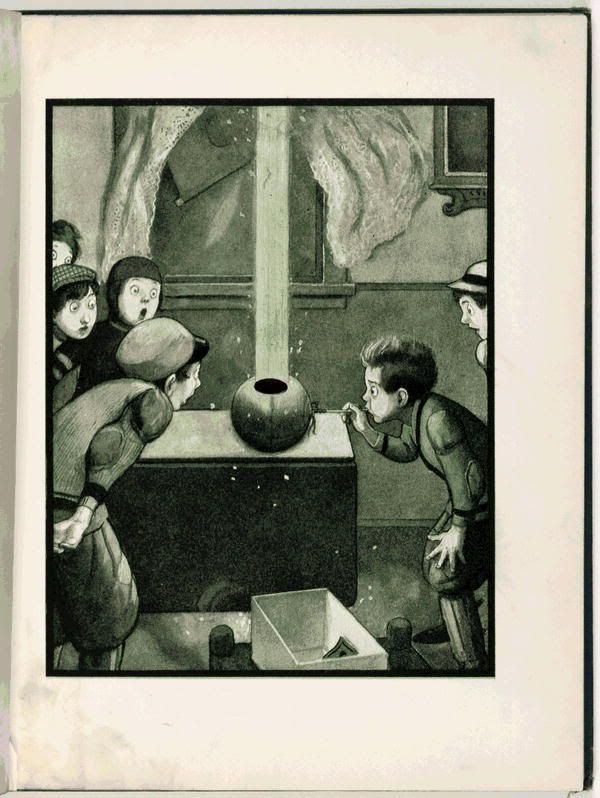
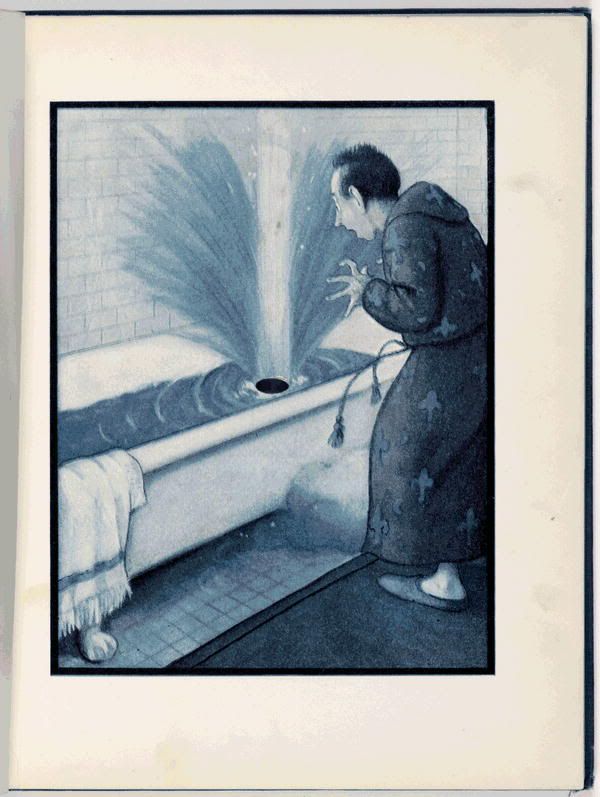
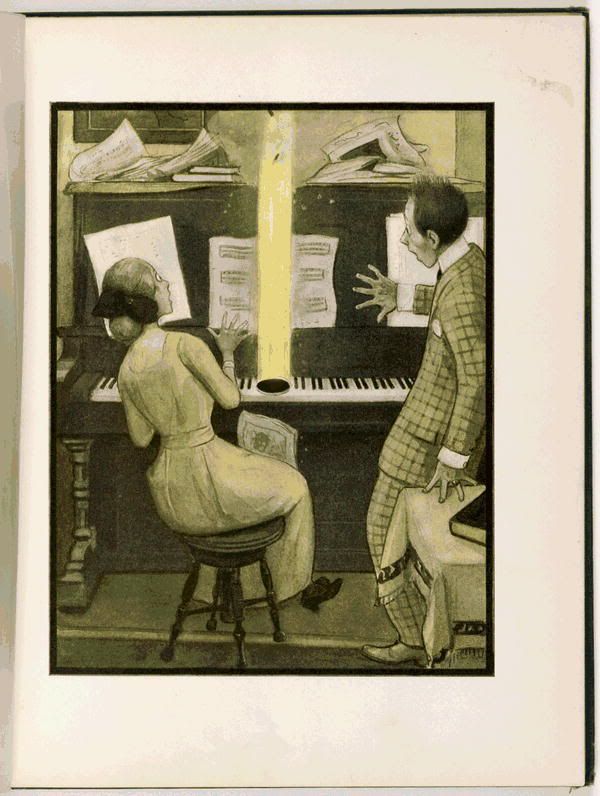
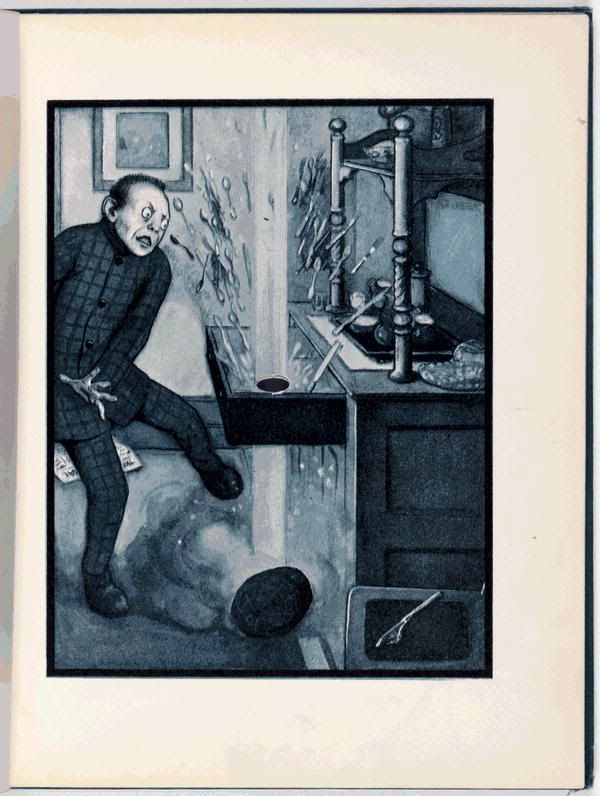
Living in the vertical: NYC, 1912


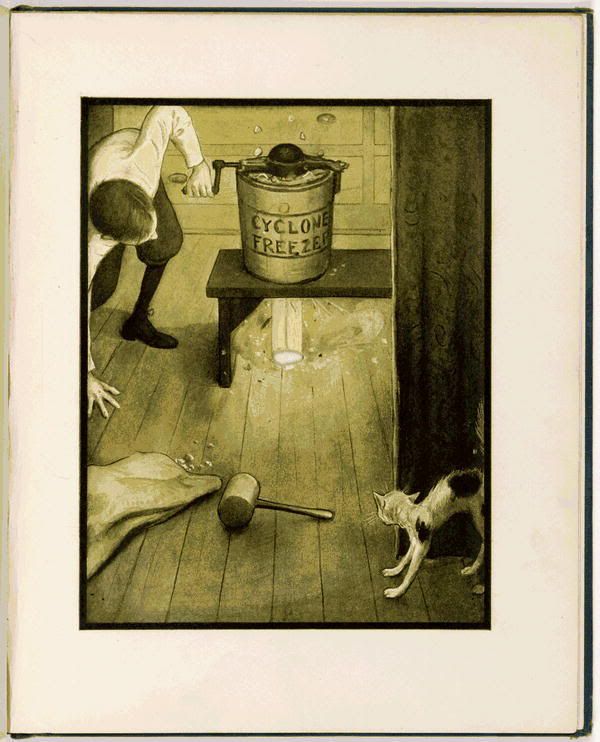
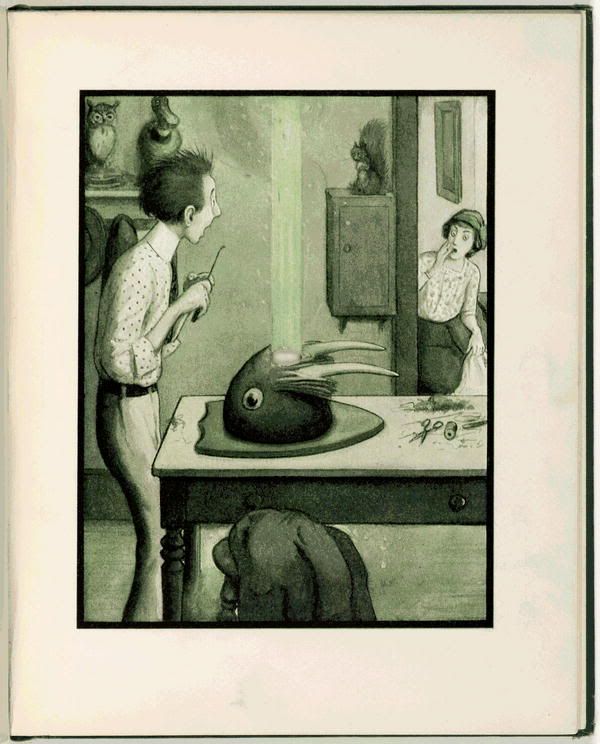
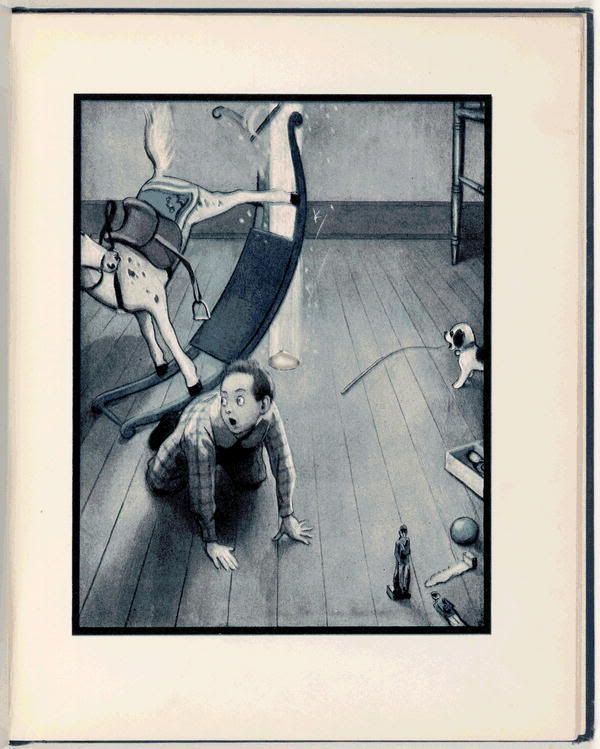
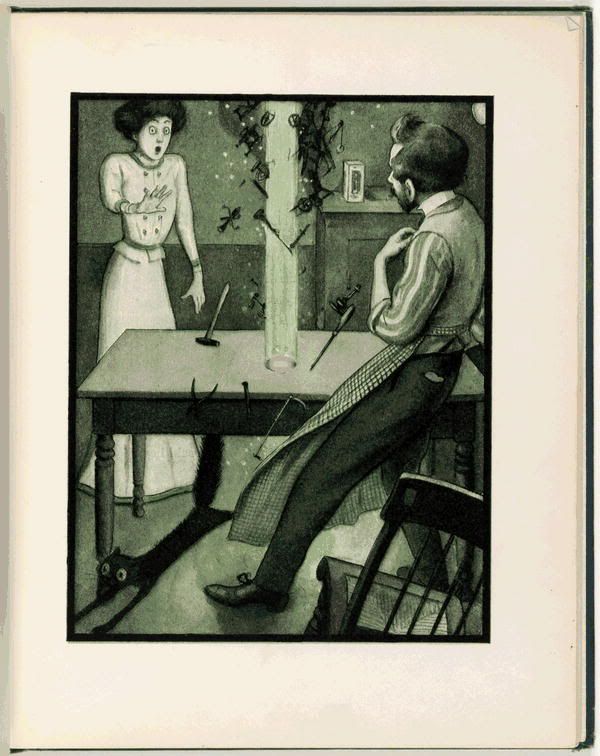
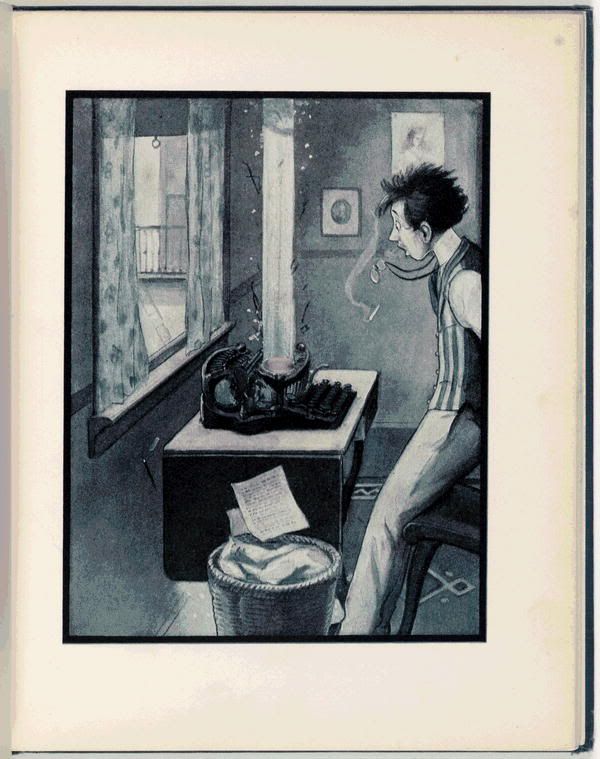
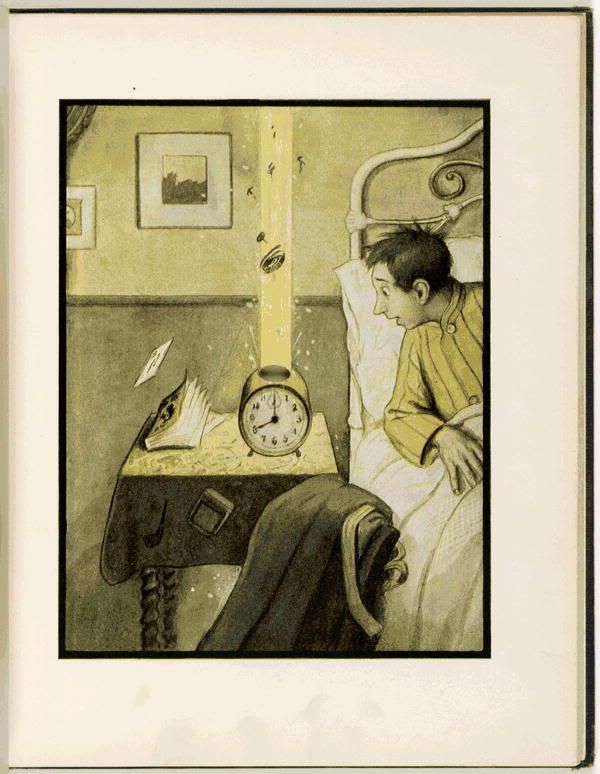
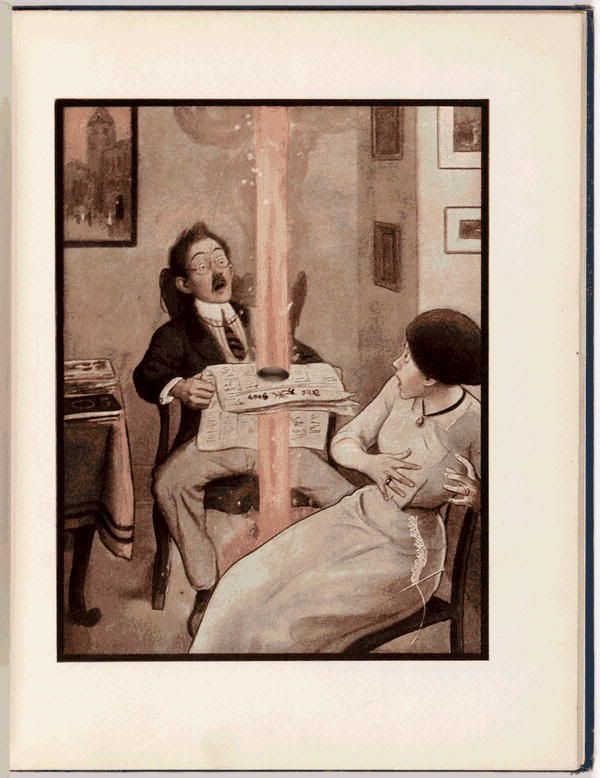
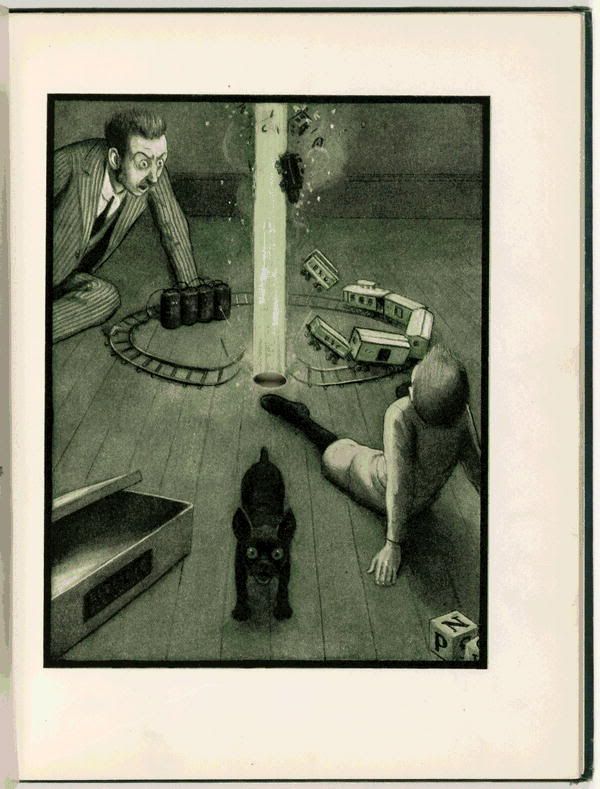
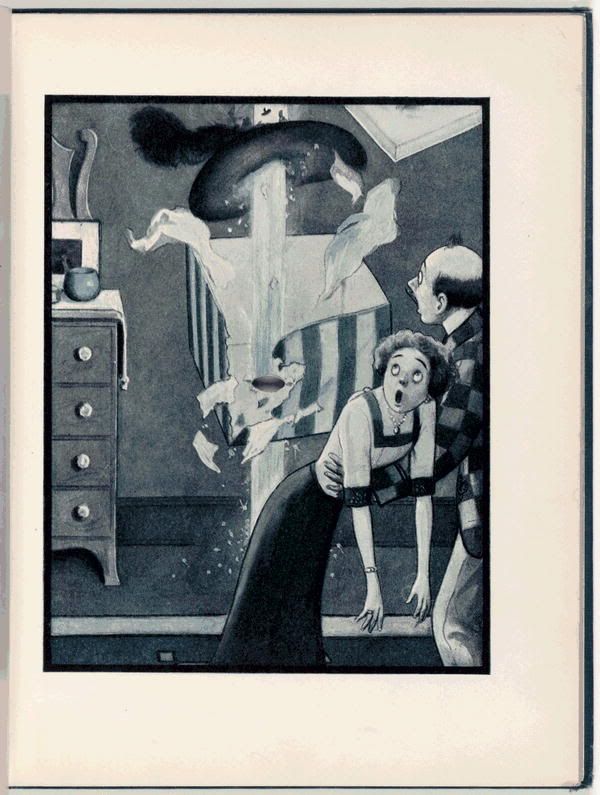
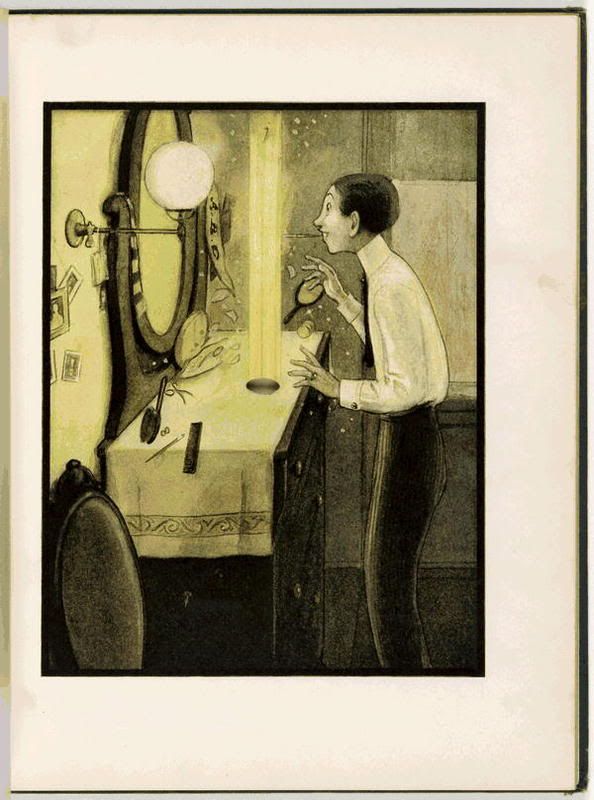
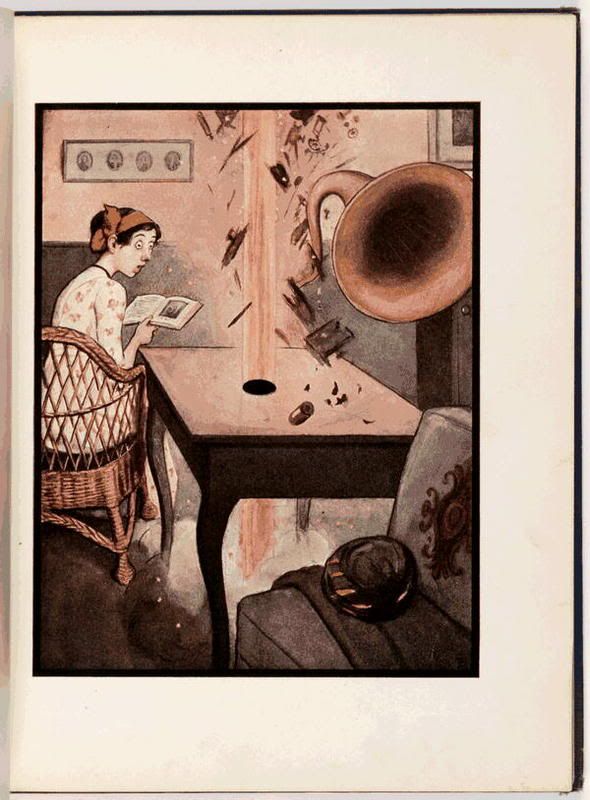
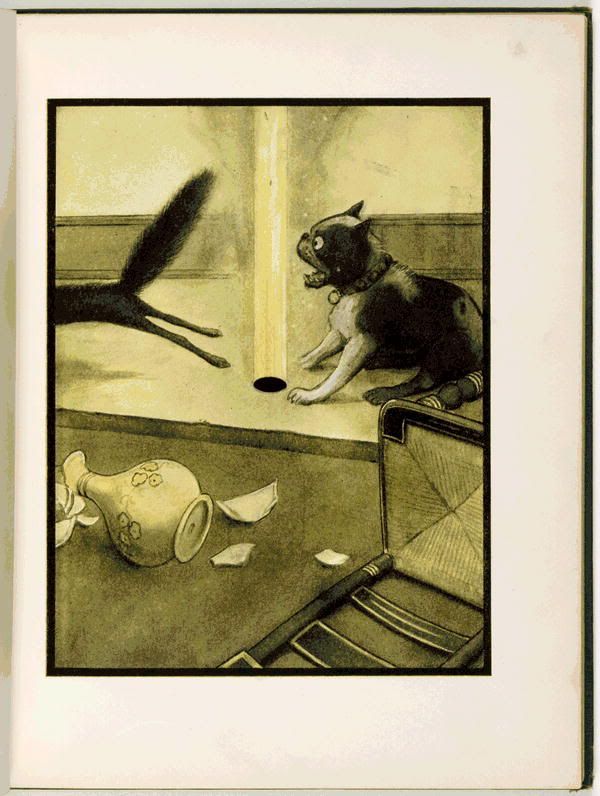
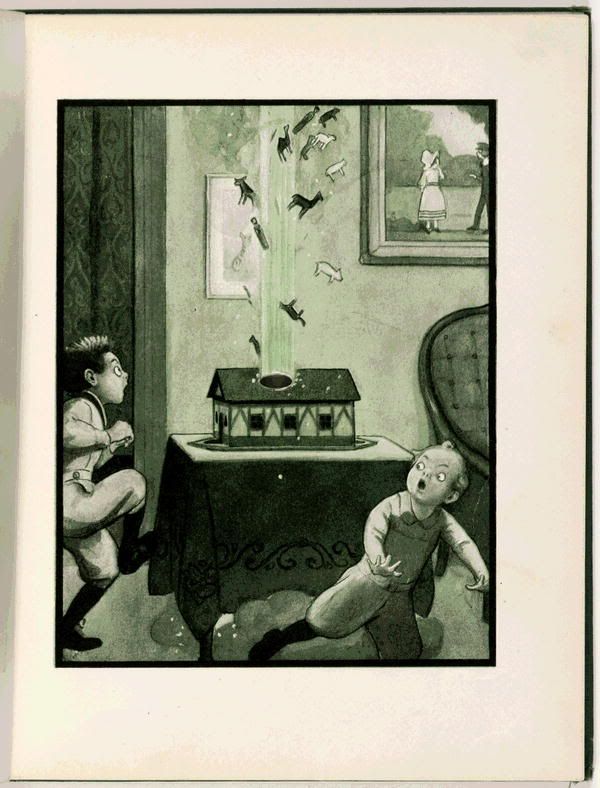
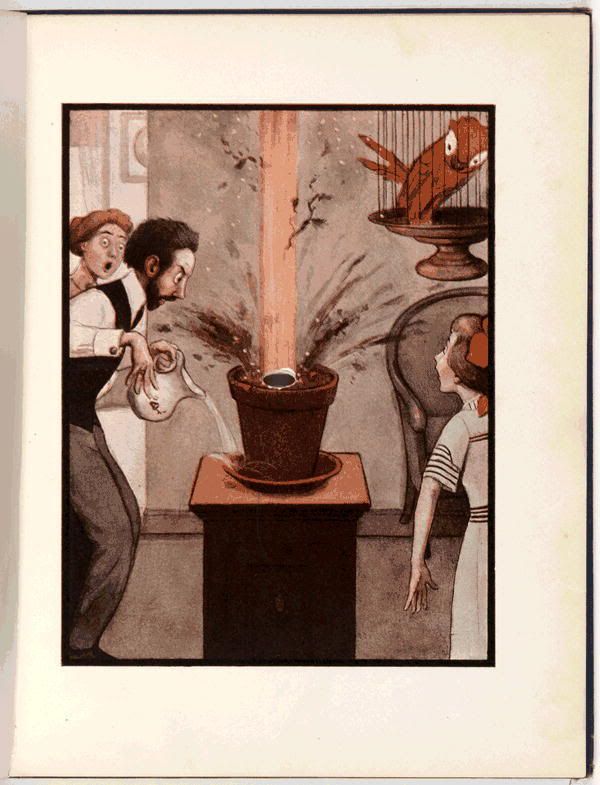
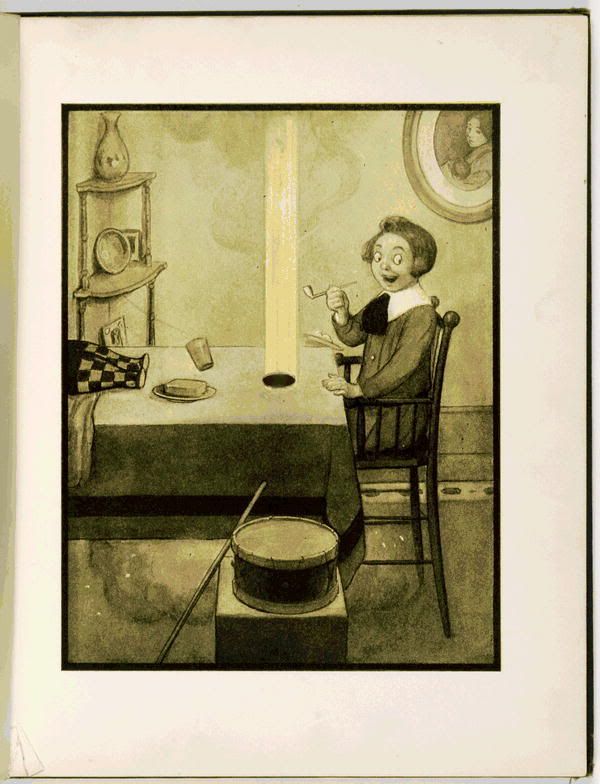
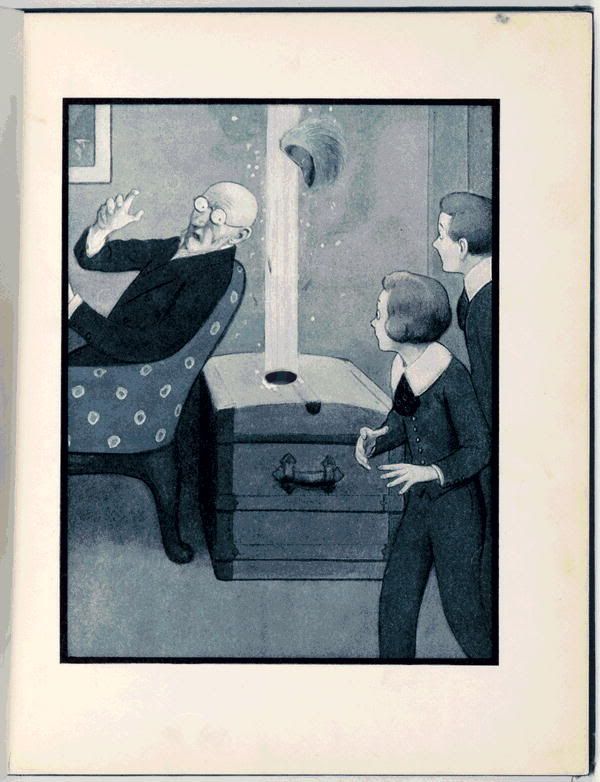
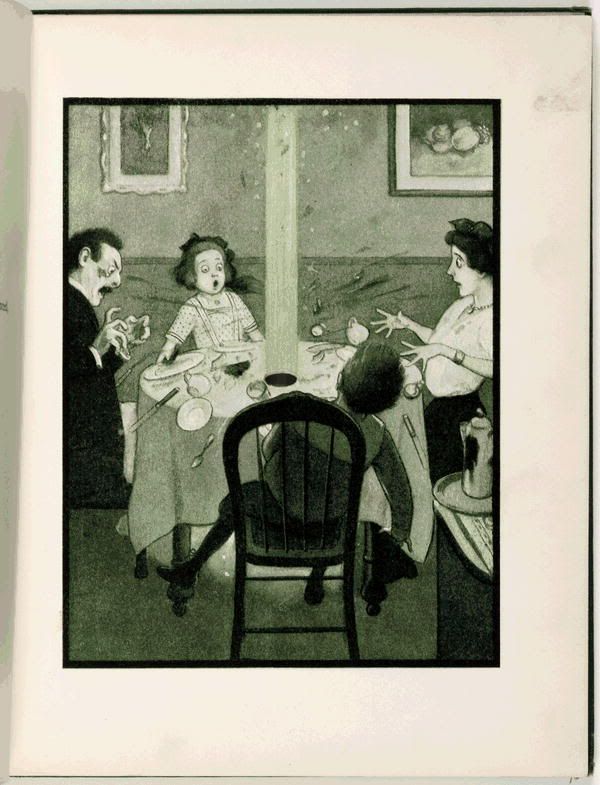
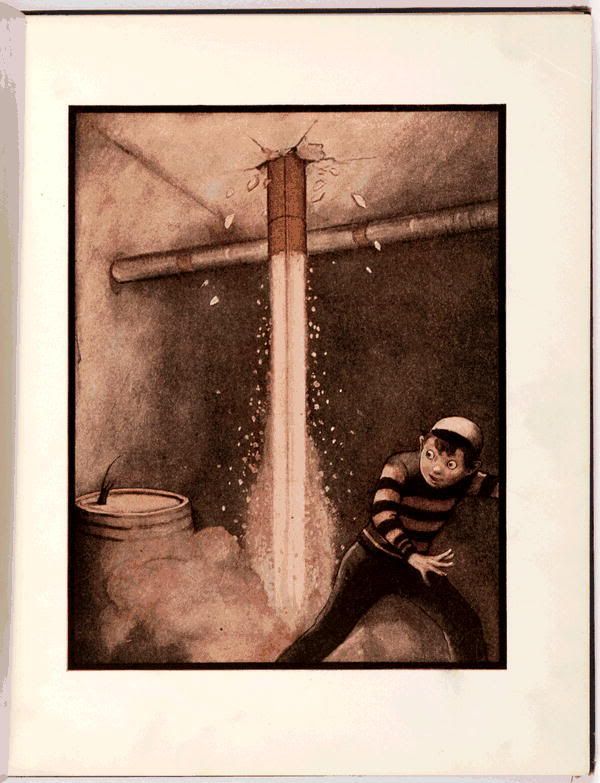
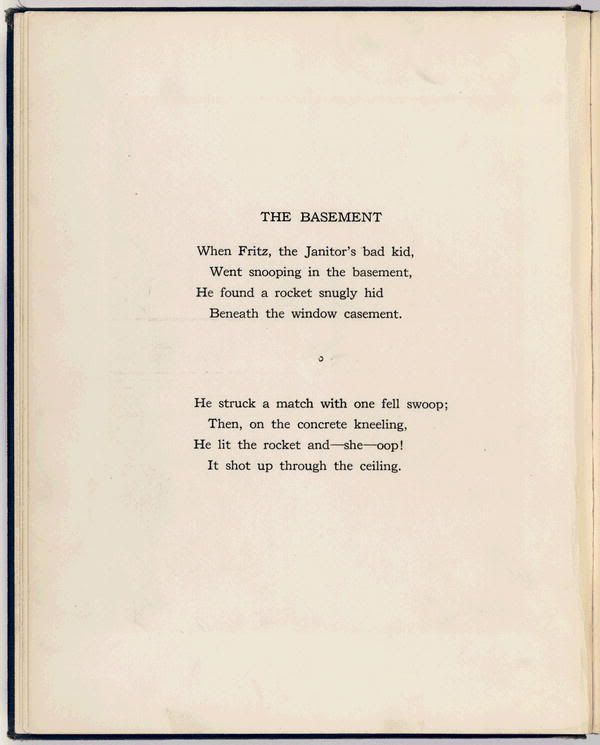
Illustrations and some text from The Rocket Book by Peter Newell, published by Harper & Brothers, 1912, in New York, of course [from The Library of Congress via Le Divan Fumoir Bohémien].

If you have spent less time around undergraduates in physics than I, perhaps you have not witnessed a rogue rocket go through a ceiling....

Tuesday, February 10, 2009

Anthropomorphism

Anthropomorphism is the attribution of uniquely human characteristics to non-human creatures and beings, natural and supernatural phenomena, material states and objects or abstract concepts. Subjects for anthropomorphism commonly include animals and plants depicted as creatures with human motivation able to reason and converse, forces of nature such as winds or the sun, components in games, unseen or unknown sources of chance, etc. Almost anything can be subject to anthropomorphism. The term derives from a combination of the Greek ἄνθρωπος (ánthrōpos), "human" and μορφή (morphē), "shape" or "form".
[wikipedia]


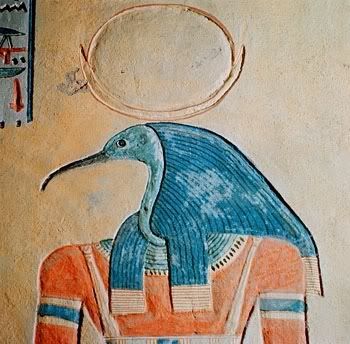
The ancient Egyptian god Thoth appears with the head of an ibis, though sometimes, he has the head of a baboon. Thoth invented writing and is the god of scribes.
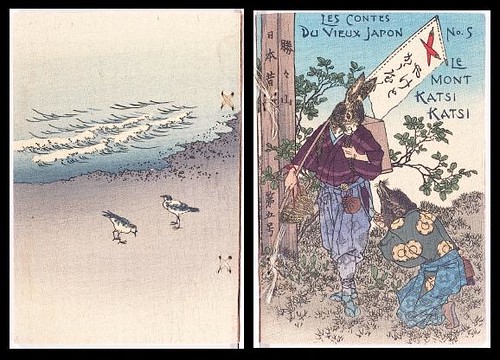
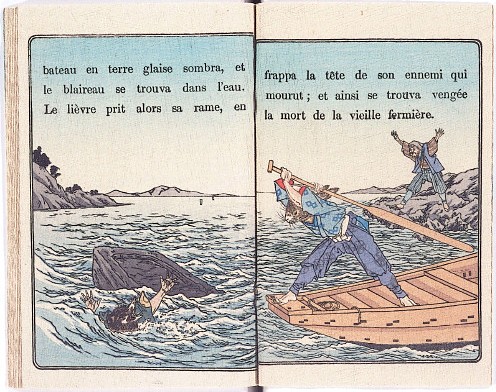
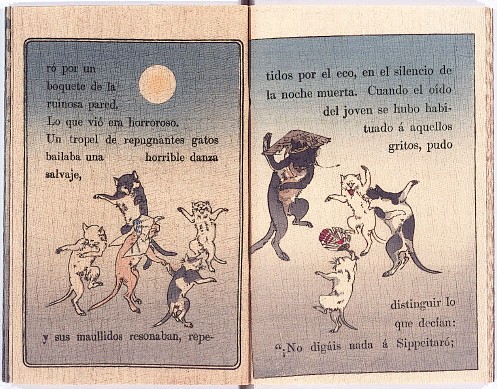
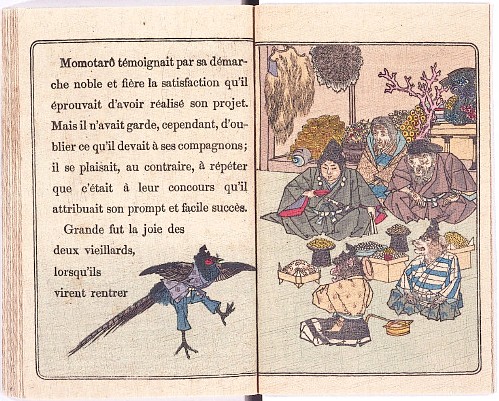


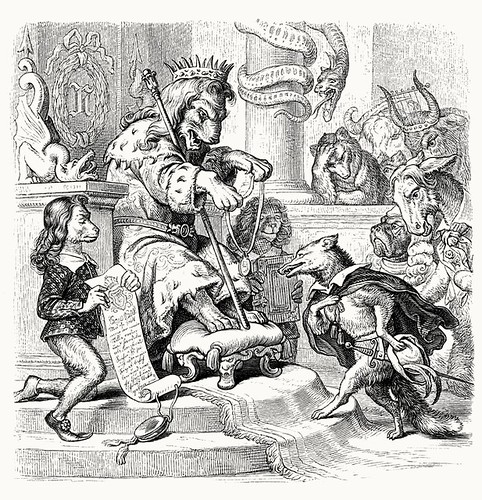
Killer rabbits, dancing cats and demons. Via BibliOdyssey here are some gorgeous examples from illustrations for children's literature. Also, some not-so-fit for children:
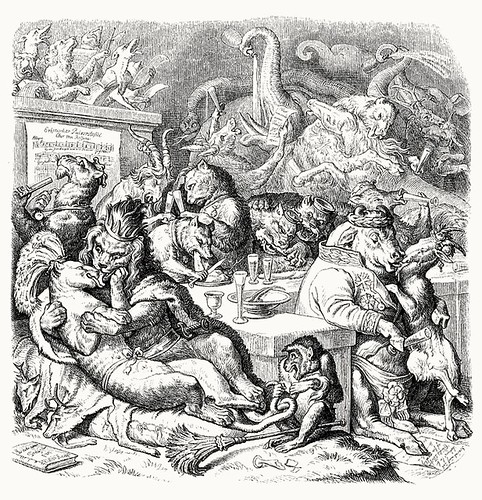
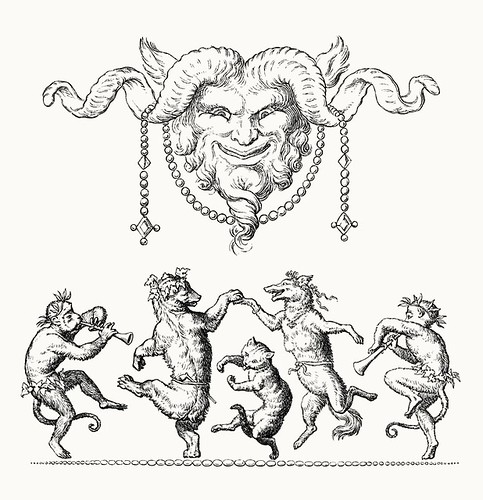

[images via BibliOdyssey]
In 1794, Wolfgang von Goethe adapted a medieval version of Reynard the Fox to produce an epic poem in hexameter 'Reinecke Fuchs' perhaps influenced by the events of the French Revolution. German artist Wilhelm von Kaulbach produced an elaborate set of steel engravings in the 1840s which were first published in the 1846 edition of 'Reinecke Fuchs'. The images above are from the 1857 edition.

That Reynard and his acquaintances got up to some mischief.


'La Lutte Artistique' (The Artistic Struggle)
Jules Worms, 19th century [via BibliOdyssey]

Though a trend in art as old as art, it seems to me to have been more prevalent in recent years in the collective unconscious. Why is that?
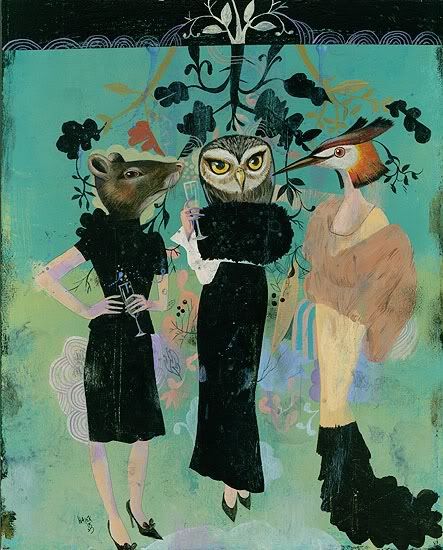

By Olaf Hajek. You should take the time to check out his extensive portfolio.
[via bohemian hellhole]
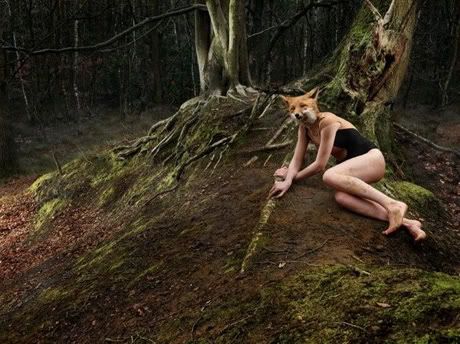


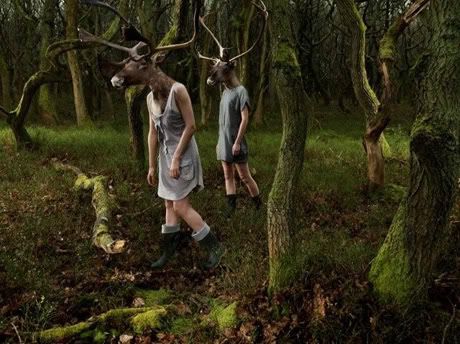
Check out the mysterious work of London-based photographer Julia Fullerton-Batten.

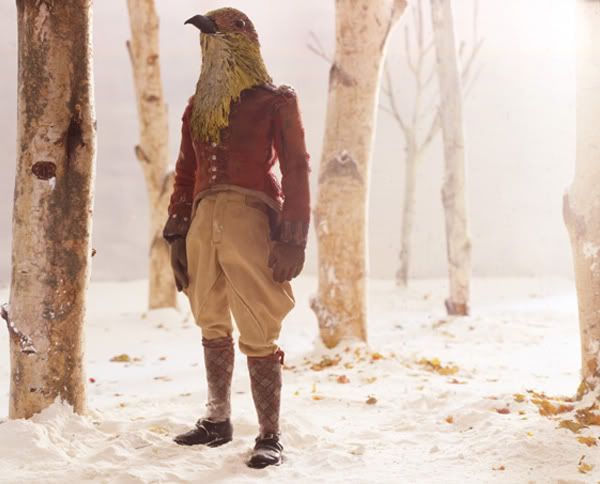
Winter Stories is the name of a recent exhibit by photographer Paolo Ventura, shown in Paris. His work blurs reality and fiction. I am particularly taken with this one:

[via Le Divan Fumoir Bohémien]

A local Torontonian, Michael Wandelmaier has some fabulous illustrations on favorite themes of animals and imaginary things (uh... and hair). Furry and feathered friends are more common than fish, but check out his work:
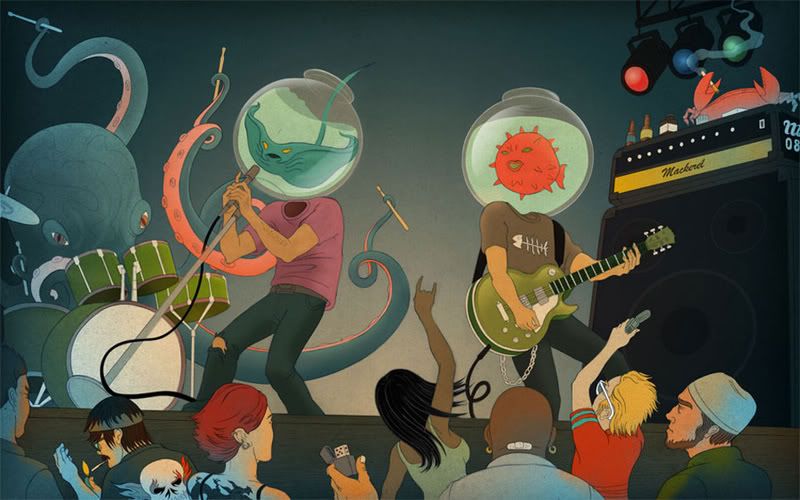
Something Fishy! 20×12.5″. Graphite on Bristol with digital coloring. 2008

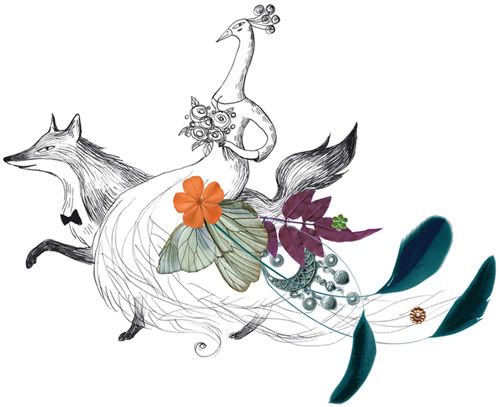
I can not resist sneaking in this illustration by Victoria, B.C. artist Marc Johns:
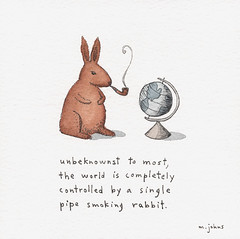


By the lovely Princesse Camcam

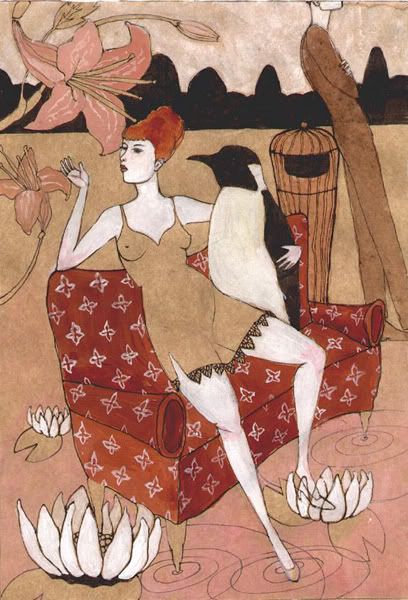
There's always the haunting, beautiful and delicately-coloured work of Minneapolis artist Jennifer Davis.
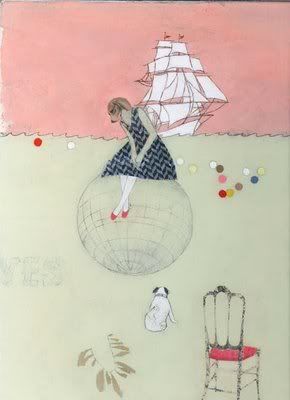

yes
mixed media
9x12"
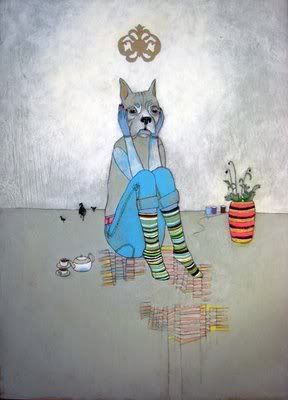

trouble in mind
acrylic/graphite
12x17"

Riikan Sormunen is a weird Finnish girl (perhaps that is a redundant observation) whose art portrays strange ideas about animals. So, is posting. She has a deviantART page too.
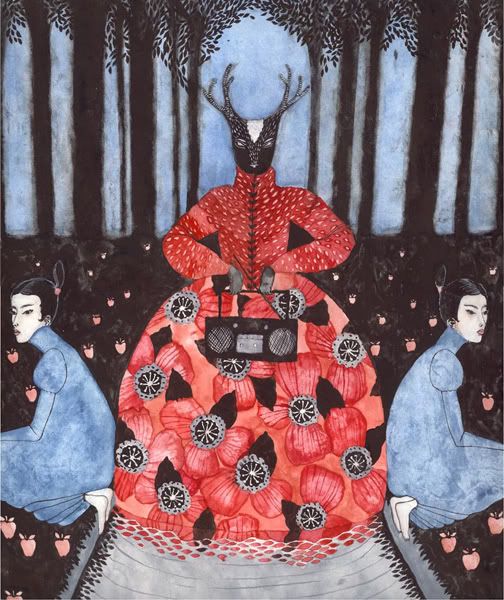

What, you say that penguin isn't doing anything that penguins can't do? Please. I am not that naive.

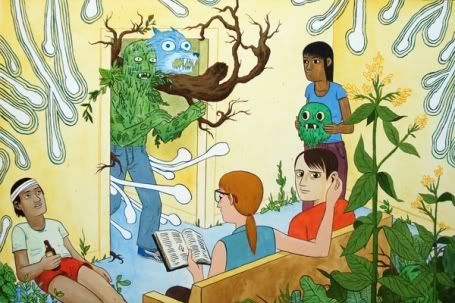
The anthropomorphic food seems less common than the anthropomorphic animals, but such images are not entirely absent. Check out the magical illustrations of displaced prairie girl Chelsea Cardinal. She has an incredible sense of colour, like a children's illustrator not afraid of nightmares.
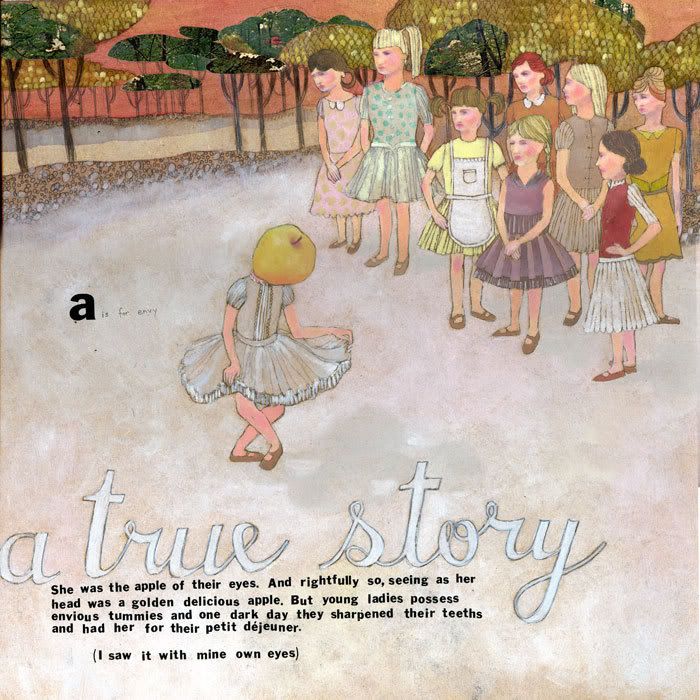
Apple Head

Monday, February 9, 2009

Bioluminescence

Part of the raison d'être of Magpie&Whiskeyjack is to preserve and re-invent the old PF blog, so today, I bring you an anthology of sorts on the topic of bioluminescence.


[via Pink Tentacle]
The clip features the:
3. Firefly squid: This blue-glowing squid, Japan’s most famous bioluminescent creature, measures 5 to 7 centimeters long and is often found at depths greater than 200 meters. In spring, when firefly squid rise to the surface to spawn en masse, they become Toyama’s great tourist attraction and end up on dinner plates nationwide. One reason the firefly squid glows is to hide itself from predatory fish swimming below. When the squid lights up its bottom surface, fish looking up have a hard time seeing it because it blends with the sky above.

2. Bioluminescent plankton: Measuring 0.1 centimeter long and found in oceans around the world, this type of dinoflagellate glows blue when disturbed. Professor Omiya keeps a flask of the light-emitting plankton in his fridge, because just looking at the cool blue glow helps him relax when he’s feeling stressed. While bioluminescent creatures are generally believed to emit light in order to intimidate their enemies, attract mates or defend themselves from predators, it is not entirely clear why this plankton glows.

1. Bioluminescent comb jelly: This 10 to 15 centimeter long gelatinous deep-sea creature, found at dark ocean depths of more than 200 meters, glows seven different colors in an otherworldly display of light. Many questions remain unanswered about why this comb jelly glows, making it a fantastic rainbow-colored mystery.


I have seen the bioluminescent comb jelly when using an Remotely Operated Vehicle (ROV) off Vancouver Island and it made me think of strings of multi-coloured LEDs. I have also seen seals coated in bioluminescent plankton, which is rather nifty.

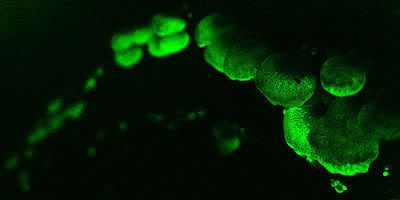
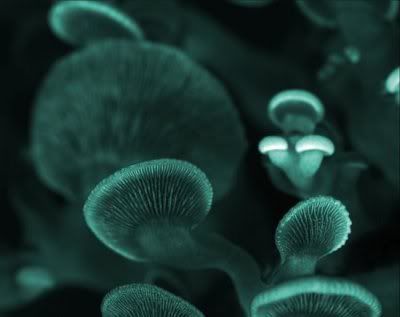
Foxfire is the term for the bioluminescence created by a fungus that can grow on decaying wood in the right conditions. It is often attributed to members of the genus Armillaria, though others are reported, and as many as 40 individual species have been identified. On the suggestion of Benjamin Franklin it was used for light in the Turtle, an early submarine. In the novel The Adventures of Huckleberry Finn by Mark Twain, the characters of Huckleberry Finn and Tom Sawyer use foxfire as a source of light in order to dig a tunnel.
[Wikipedia]
Foxfire is a natural phenomenon sometimes visible at night in forests. It's caused by bioluminescent fungi in special conditions—usually on rotting bark. Foxfire is caused by a range of different species of fungi, though Armillaria mellea appears to be the most common source. This particular species emits a bluish-green glow, like glow in the dark toys. ...
Recorded observations of fungal luminescence date back to Aristotle and Pliny the Elder. Pliny identified an "Agaricke" that "grows on the tops of trees and shines at night." Renaissance philosophers wrote of `"Fungus igneus, which shines like stars with a bluish light." In folklore, "Fairy sparks" in decaying wood indicated the place where fairies held their nightly revels.


—BIOLUMINESCENCE FUNGI: LIVING LIGHT, Spores Illustrated, Conn.-Westchester Myco. Assoc., Summer 1999, via Boston Mycological Club Bulletin, Sept. 1999
...
People from many parts of the world have found uses for these natural lanterns. The Swedish historian Olaus Magnus wrote in 1652 that people in the far north of Scandinavia would place pieces of rotten oak bark at intervals when venturing into the forest. They could then find their way back by following the light.


—Elio Schaechter, from his book In the Company of Mushrooms
...

"In an episode of Lassie, Timmy and Boomer hunt for foxfire so as to scare the girls into not kissing them at the Hallowe'en party." [Sean B. Palmer]

(Foxfire is also apparently the name of two films, several books, a play, a town, a botanical garden, dog breeders, a bluegrass band, comic books and software- not to be confused with Firefox).

And these cats, they be glowin':

Thursday, February 5, 2009

zombie time

So, I was thinking about zombies. Why? Don't ask why. Perhaps it was the delightful photos posted by the Wooster Collective last week. A couple of city construction road signs were hacked near UT Austin, warning residents, "Caution! Zombies Ahead!!!", "Nazi Zombies! Run!!!" and so forth. A great hack. Anyway, this gives me an excuse to recommend that you check out the portfolio of Mike Bertino (and blog here). He seems to love a good monster scene:
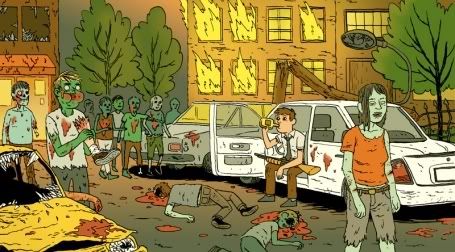


A lot of his work is layered, with great lines and vibrant colours.

Clearly zombies have a great deal of presence in popular culture - in visual arts, be it film, comics, or illustration, as well as a recent upswing in zombie self-help guides. What about literature? Well, for the Jane Austen fan (if not too precious), I read on bioephemera about an upcoming book project billed as "The Classic Regency Romance—Now with Ultraviolent Zombie Mayhem!" The author, Seth Grahame-Smith, might be on to something. I think of my friends and ask, "Do they love Jane Austen? Are they obsessed with zombies?" and I must answer both of these queries in the affirmative. The blurb says:
Feisty heroine Elizabeth Bennet is determined to wipe out the zombie menace, but she's soon distracted by the arrival of the haughty and arrogant Mr. Darcy. What ensues is a delightful comedy of manners with plenty of civilized sparring between the two young lovers--and even more violent sparring on the blood-soaked battlefield as Elizabeth wages war against hordes of flesh-eating undead.

Wednesday, February 4, 2009

contemporary embroidered life

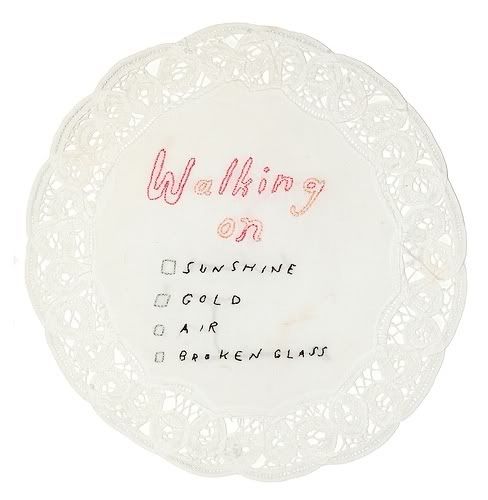
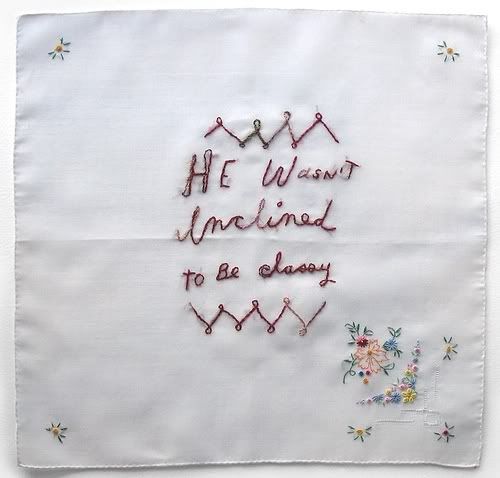
Today Modish pointed out the delights of artist and illustrator Kate O'Connor's embroidered artwork. {Modish cites dear ada, one fo my favorite art blogs, but somehow, I missed this.} I could go on about the green-ness of using found vintage materials, about the DIY movement and the resurgence of interest in old-fashioned crafts, about reclaiming 'women's work' and textiles, about high and low culture and needlework as art, about beauty in imperfections, about handwriting and typography... but more than anything, this is clearly a woman with an insightful, au courrant, kick-ass sense of humour.


Her work is more varied than what I have shown, so check out her site for more and works in other media.

Tuesday, February 3, 2009

A Genius is the one most like himself.


Thelonius Monk’s advice to saxophonist Steve Lacy (1960) via swissmiss.

The irony of Monk, of all people, writing, "Stop playing {all that bullshit /those wierd [sic] notes, play the melody!" really amuses me. Mixed in with such simple basic advice as tapping the rhythm are some gems. Back in the olden days, when I played saxophone in a jazz band, my neighbour used to tap out some other rhythm, utterly disconnected to the rhythm at hand (or, at foot, as the case may be). Used to fascinate and irritate me in equal measures. I can only think the cliched but true "takes one to know one" at Monk's insight "a genius is the one most like himself". And the final line made me laugh.

Monday, February 2, 2009

Groundhog Day

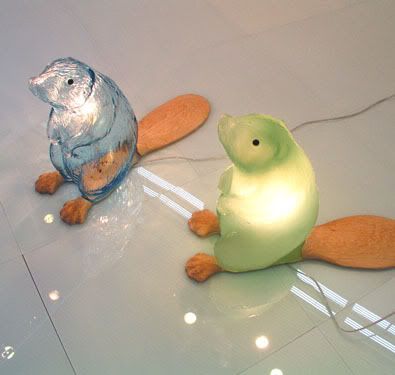
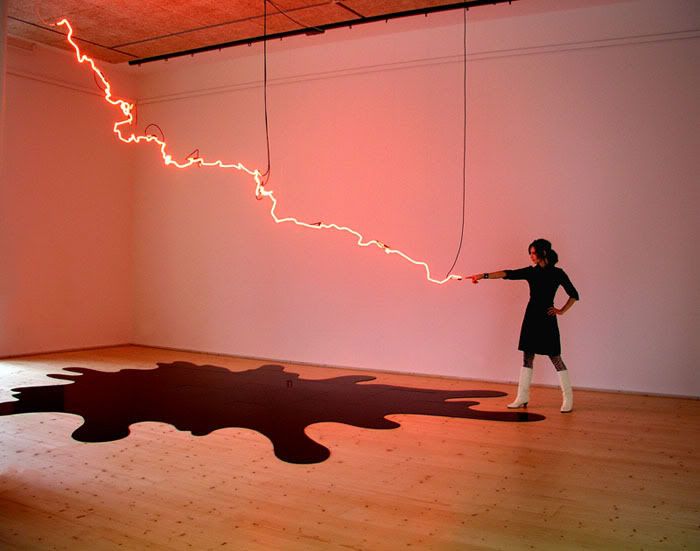
In honour of Groundhog Day, I am posting a PF favorite, Swedish ceramic/multimedia artist Frida Fjellman and her magical, whimsical creations involving some other rodents. This might me my favorite lighting implement I have ever encountered. Behold the plasma lemming!
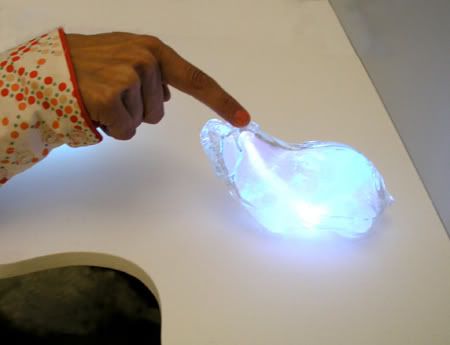
More lemmings:


If beavers are more your style:

Go check out her site already!


She's got a fascinating collection of media, creatures, lighting, sculpture and a nice pair of boots.

LinkWithin

Related Posts with Thumbnails